
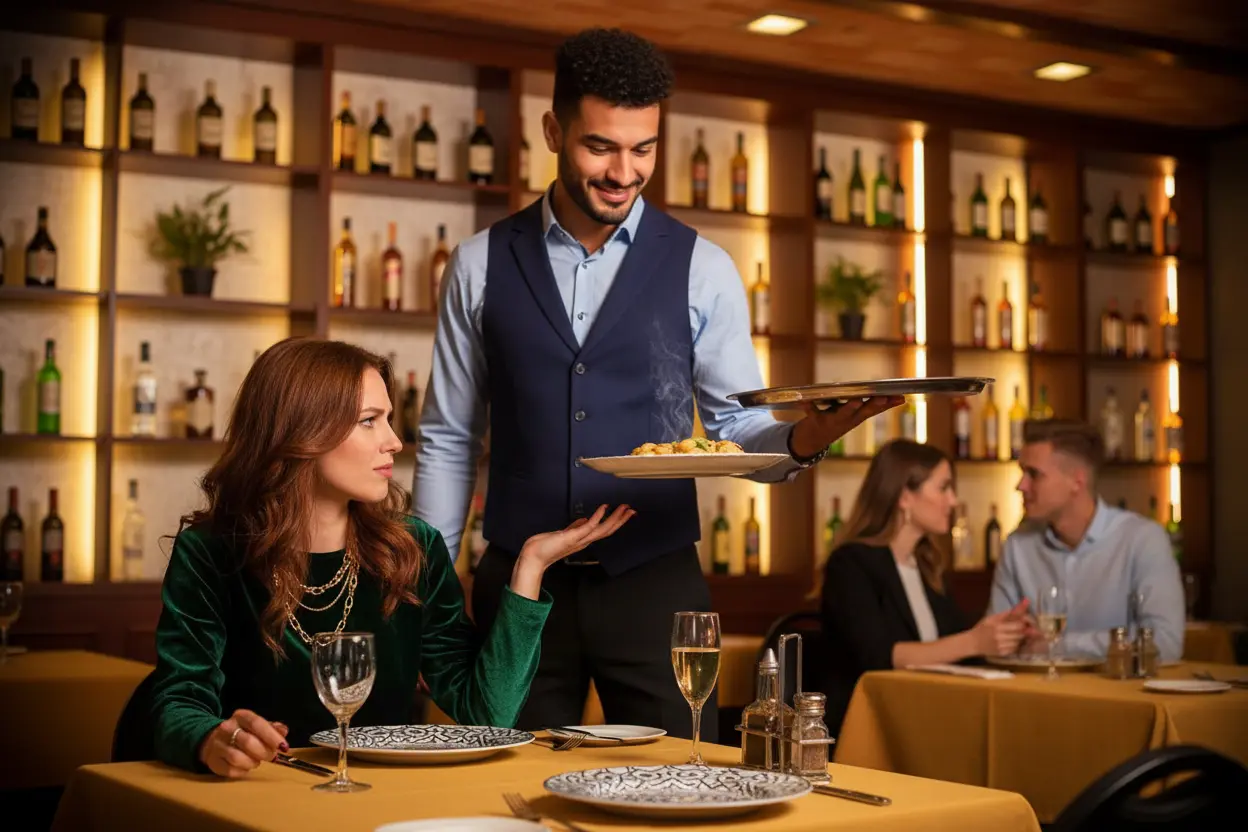
You might think you’re the perfect guest at restaurants—nodding a polite thank you to your server, keeping your elbows and phone off the table, and only occasionally struggling with where exactly to put your napkin. But lurking among classic table manners is a small, innocent habit that secretly annoys servers, more than you probably realize. Are you making this subtle mistake?
Why Table Etiquette Still Matters (Yes, Even Now!)
Food is a necessity, but as Rabelais once said, “to know how to eat is an art.” The many rules that once governed the dinner table were proof of that sentiment. Sure, most of these rituals have faded into the background—no one’s slapping your wrist for uttering “bon appétit” these days, and those rules about not resting your phone on the table or keeping your elbows at your side have gotten more relaxed. But not all etiquette has lost its meaning. Hidden among the relics of dining do’s and don’ts is one misunderstood gesture that still has power: how you position your cutlery during and after your meal.
That Innocent Gesture: What’s Annoying Your Server?
Imagine this: you’re halfway through a lively meal with friends, family, or colleagues. The conversation is flowing, your laughter is echoing across the room, and the last thing on your mind is proper placement of forks and knives. Suddenly, a server swoops in, asking with that practiced smile if you’re finished—while you were just pausing between bites. Sound familiar?
This whole misunderstanding comes down to a surprisingly simple code—the language of cutlery.
- Cutlery in a triangle, with the handles pointed toward the edges of your plate and the tips meeting: This is the classic sign that you’re just taking a break. Servers in the know will move along instead of interrupting your chat or mistakenly clearing your plate. It’s been used in restaurants for centuries to avoid mid-meal mishaps.
What seems like a little oversight can actually be interpreted as a mark of impoliteness, especially if you were truly enjoying your meal. No need to panic, though: simply paying attention to your cutlery’s position can help everyone avoid awkwardness and, more importantly, lets the kitchen and servers know what you actually mean!
The Subtle Art of Cutlery Communication
You might not realize just how strong the message of your fork and knife really is. It’s more than just an order for the server to bring your dessert menu. The way you arrange your cutlery can send a laser-precise signal about how you felt about your dish—if you know how to do it.
- Triangle with the knife wedged into the tines of the fork: This isn’t just a fancier break! It’s a subtle (but unmistakable) message that you didn’t enjoy your food. Yes, there’s a way to tell the server you weren’t pleased—without saying a word.
- Knives and forks parallel, horizontal in your plate, with the knife’s blade facing upward: That’s the gold-standard sign that you’ve finished—and genuinely enjoyed—your meal. If you want to make the kitchen staff happy (and maybe earn an extra smile from your server), this is how to do it.
You might not see these etiquette moves in every restaurant today; in fact, the tradition is slowly fading away. But knowing (and practicing) them could help you dodge those little misunderstandings and make your dining experience smoother for everyone.
Small Gestures, Big Impact: Why It’s Not Just for Fancy Places
The idea of using cutlery to send a message may sound a bit old school, but there’s a reason these customs have survived through generations of bustling dining rooms and clinking glasses. Pausing with your cutlery placed haphazardly might lead your server to believe you’re done when you’re not, or worse, leave the kitchen guessing at your opinion when you actually loved your food.
So next time you find yourself deep in conversation over a delicious dish, don’t let this tiny etiquette detail fall by the wayside.
- Place cutlery in a triangle when pausing.
- Wedge knife in fork for “not a fan”.
- Lay cutlery parallel for “all done and delicious”.
In short? The secret to a smoother, more pleasant restaurant experience might be sitting right on your plate. Silence your server’s confusion and let your meal do the talking—the clever way!

Iveta is an aspiring journalist with a passion for storytelling and a deep love for coffee. Always curious and creative, she dreams of sharing stories that inspire, inform, and connect people around the world


