
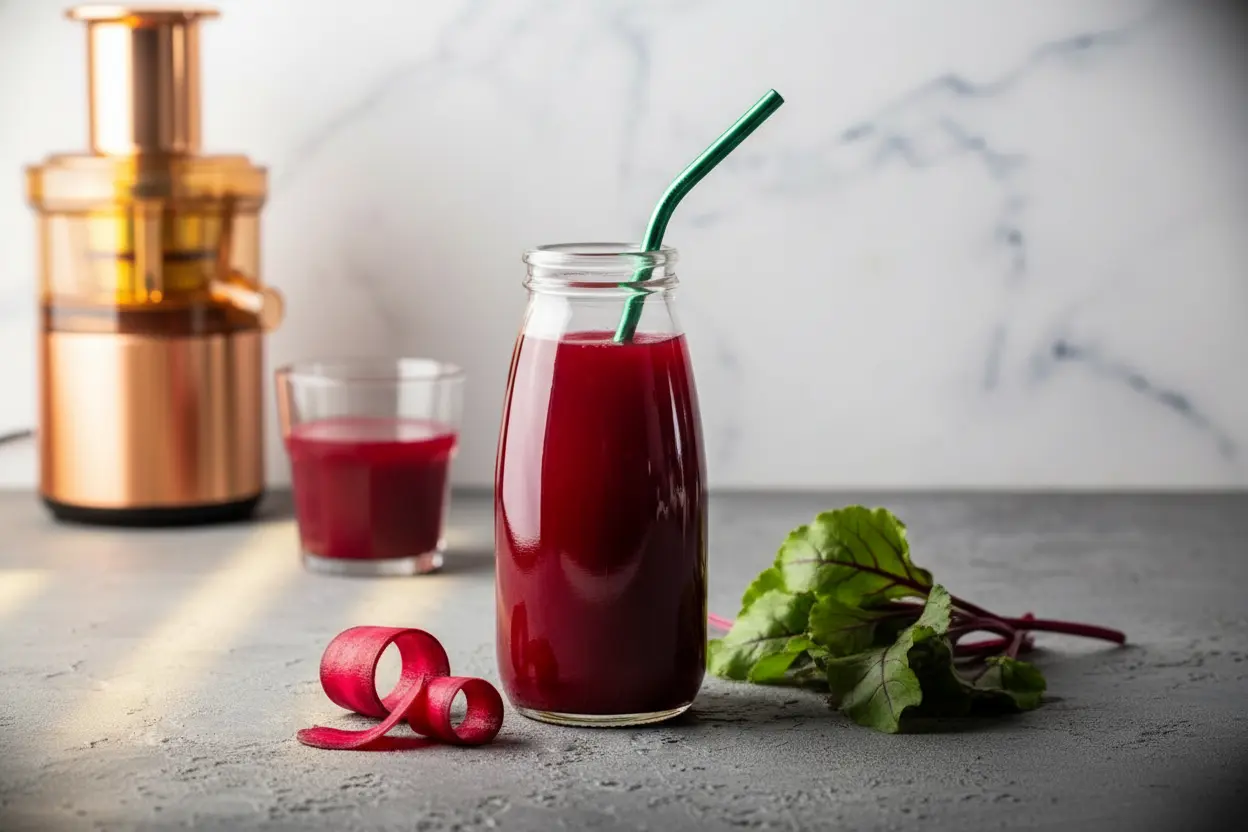
If you’ve ever found yourself staring moodily into the depths of your afternoon coffee cup, praying for a jolt of energy but dreading another caffeine crash, journalist Bianca London’s story might just perk you up. After a draining pregnancy and a challenging postpartum period, Bianca decided it was time for a change. She set out to reduce her caffeine intake while still finding a drink that would fight fatigue, and in the process, discovered a vibrant—and surprisingly delicious—alternative: beetroot juice. Yes, you read that right. Beet juice. Don’t scroll away yet! This humble root may have more power than you think.
From Coffee Cups to Beetroot Blends: Bianca’s Journey
Working for Glamour UK, Bianca London bravely took on the challenge of finding a more balanced energizing beverage. Desperate to revive her pre-pregnancy vitality and ditch her dependency on coffee, she tried a recipe loaded with beetroot, apple, orange, celery, and a hint of ginger. Far from regretting the switch, she found herself instantly revitalized and back to her old energetic self. Talk about a glow-up!
Preparing this powerhouse juice is delightfully simple: a washed beetroot, chopped and tossed in the blender. If the earthy flavor isn’t quite your thing, a splash of orange or celery juice can mellow things out. Bianca admits she sometimes downed an entire bottle with breakfast; on other days, she savored it slowly throughout the day. Her secret weapon, though, was reserving it for that dreaded 3 p.m. slump—and it worked wonders every time.
After a month trial, the verdict was clear. Beetroot juice had firmly replaced Bianca’s afternoon coffee, and she now recommends it to anyone who tries to avoid coffee after noon but still needs an energy lift.
Beyond the Buzz: The Hidden Virtues of Beetroot Juice
But this ruby-red elixir isn’t only a quirky substitute for coffee. Drs. Evelina Sabonaityte and Katy Kasraie shared with Glamour UK that beetroot juice comes packed with nutrients that support more than just your energy levels. To list a few, it’s:
- Rich in fiber, vitamins, and minerals
- Supportive of heart, liver, and bone health
- Helpful for improving athletic performance
- Known to reduce stress and anxiety
It’s not just a pick-me-up; it’s a full-body boost. Frankly, that old coffee mug is starting to look a little envious.
The Science Boost: Nitrates and Antioxidants
Nutritionist Lee Mitchell explains the magic behind the energy surge: dietary nitrates. These are converted by the body into nitric oxide, a molecule that’s a big deal for vasodilation—basically, your blood vessels get a bit roomier.
The results? Improved blood flow which helps deliver oxygen and nutrients across your tissues, including your muscles. That means more natural energy, whether you’re running a marathon or just your afternoon errands. It also reduces that heavy sense of fatigue that tends to creep up during physical activity, or even after staring at spreadsheets for too long.
Beetroot juice also scores high for its load of vitamins, minerals, and especially antioxidants. Lee Mitchell points out that these components help bolster your immune system, support detoxification, and promote cardiovascular health. The high level of antioxidants, particularly betalains (no, not a new gym class, but powerful pigments), fight oxidative stress and inflammation throughout the body. In other words: it’s your internal cleanup crew.
Cheers with Caution: Possible Pitfalls
Of course, as with any trendy new habit, a little awareness goes a long way. While beetroot juice makes a fantastic addition to a balanced diet, it isn’t without its caveats:
- Beets are naturally rich in oxalates, which can lead to kidney stones for those predisposed.
- They contain moderate levels of natural sugars, which people with diabetes should factor in.
- Excessive consumption might result in some unwanted gastrointestinal side effects—think bloating or even diarrhea. Moderation, as always, is your trusty sidekick.
No need to panic and ring your doctor after your first pink-tinted snack, but do keep your serving size and your own health sensitivities in mind.
Bottom line? Beetroot juice could be the balanced energy fix you’ve been seeking, especially if you’d like to sidestep coffee’s pitfalls. It’s vibrant, packed with nutrients, and supported by real stories and science alike. So next time you’re reaching for that third coffee, maybe grab a beet instead. Your body (and your taste buds) might thank you.

Iveta is an aspiring journalist with a passion for storytelling and a deep love for coffee. Always curious and creative, she dreams of sharing stories that inspire, inform, and connect people around the world


