
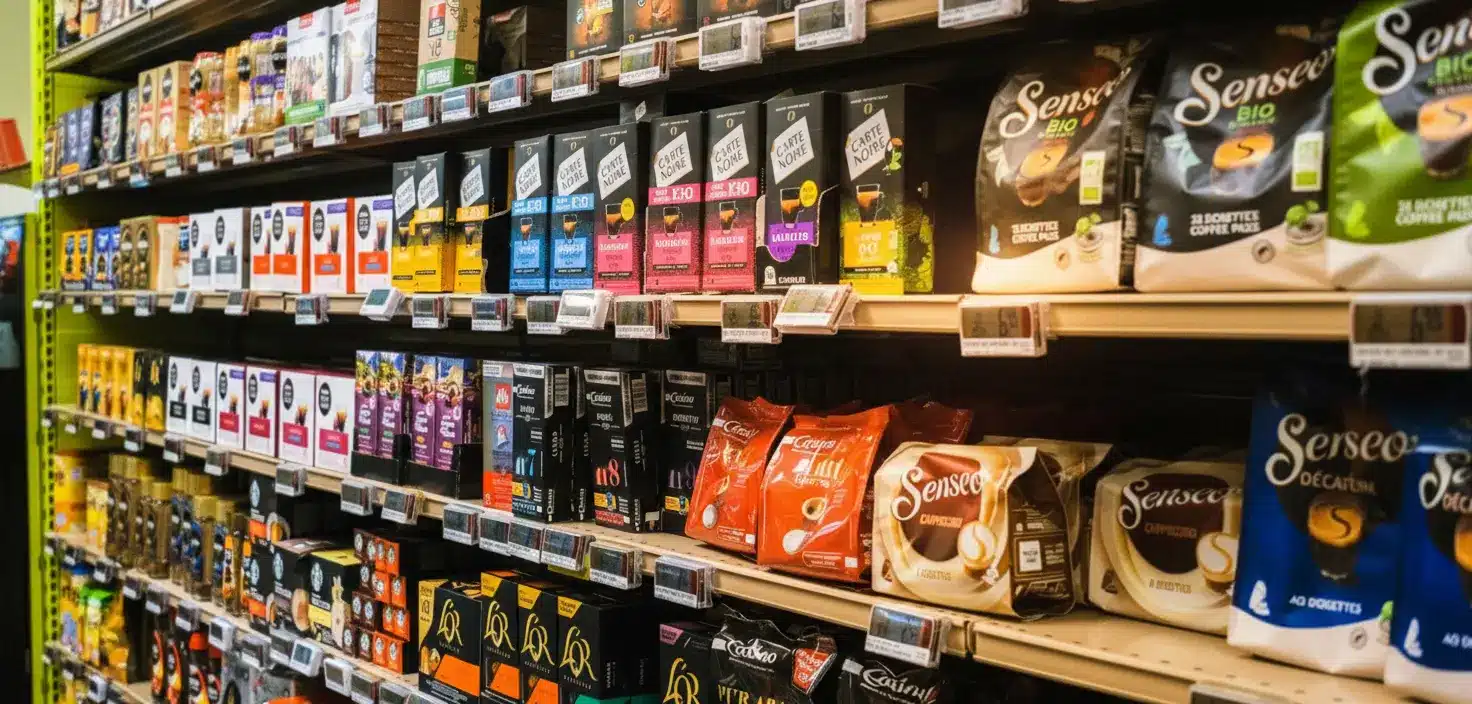
Before you take that next invigorating sip of supermarket coffee, you might want to pause—there could be more lurking in your mug than a jolt of caffeine. Recent findings suggest some of the most common household coffee brands may bring more worry than wakefulness, thanks to unwanted substances discovered in many supermarket coffees. Is your favorite blend on the naughty list?
What Lurks in Your Morning Cup?
For most, coffee is the simple, comforting ritual that kickstarts the day. But behind its enticing aroma, supermarket coffees have been placed under a magnifier—quite literally—by consumer watchdogs such as 60 Millions de Consommateurs and Alter Eco. Their investigations have flagged the presence of problematic substances in several widely available brands. Now, while some coffees simply don’t impress on taste (let’s face it, not every blend deserves a standing ovation), others have sounded more alarming notes, especially where contamination and pollutants come into play.
The situation begs the question: which coffee brands should espresso and decaf lovers think twice about? And perhaps just as importantly, what are the actual risks involved?
From Acrylamide to Insect Fragments: An Alarming Lineup
Routine checks by associations like 60 Millions de Consommateurs regularly uncover oddities in everyday products. In 2023, their in-depth analysis of 51 supermarket coffee brands delivered a mixed bag of results. While the roasting process at high temperatures appeared to banish pesticide residues, other worrisome ingredients refused to bow out. Coffee’s problems clearly extend beyond the occasional disappointing cup.
- Acrylamide: Public enemy number one in the lineup, this compound appears in all tested brands, having formed during high-heat roasting. Classified as a probable carcinogen, even a modest presence calls for vigilance, especially when levels exceed recommendations.
- Insect Fragments: There’s nothing like finding uninvited guests in your cup—especially when they have more legs than friends. Analysis detected insect pieces in brands like Bellarom (Lidl), cropping up in three or four cups from a single box. While legally tolerated in trace amounts and not officially toxic, it’s considerably less appetizing than a cinnamon swirl.
- High Fat Content: Some coffee, like the ground blend Grand’mère, stands out for unusually high fat levels—sometimes surpassing legal limits.
- Chemical Pollutants: More pollutants were found in specific capsules, including Planteur des Tropiques, Carte Noire, and L’Or decaf options, with higher concentrations of unwanted chemicals.
These discoveries highlight the importance of tracking your coffee’s origins and limiting exposure to problematic substances. Nobody wants their morning mug turning into a chemistry set.
Safe Sipping: How Much Is Too Much?
Coffee may fuel ambition, but overindulging can bring more jitters than joy. Exceeding the recommended daily limit of 400 mg of caffeine can lead to a variety of unpleasant side effects—think nervousness, a skipping heartbeat, or digestive inconvenience. Your body only enjoys so many espressos before it files an official complaint.
For pregnant women, the bar is set even lower. Health authorities recommend capping caffeine intake at 200 mg per day during pregnancy, prioritizing reduced risks to both mother and baby.
Tips for a Healthier Brew
- Choose Recently Labeled Coffees: Opting for coffees that carry up-to-date certifications can significantly cut your exposure to nasty substances. These labels are more than just pretty stickers—they reflect tighter production controls and higher quality standards.
- Go for Eco-Responsible Labels: These not only help the planet but also lower contamination risks for your cup.
- Choose Freshly Roasted Coffee: Sourcing coffees roasted recently can limit the unwelcome buildup of compounds like acrylamide, which tend to increase during extended storage.
- Switch Things Up: Rethinking daily routines helps too. Prefer filtered coffee over capsules, mix up coffee origins, or turn to certified alternative brands for processed control and reduced contamination.
- Read Labels and Pick Transparent Supply Chains: This is particularly wise if the idea of insect fragments sends you running for tea.
- Watch Your Intake: The simplest gesture? Cut down. Staying beneath recommended thresholds is a protective move your body will thank you for.
- Look for Special Ranges: Those especially attentive to composition can now find coffees specifically designed to minimize fat content or acrylamide presence.
In summary, research from 60 Millions de Consommateurs warns that it’s not just the taste you should be wary of. Certain supermarket coffees—especially some decafs, capsules, or even ground blends—show worrying levels of dangerous substances and questionable extras. The key to a safer morning ritual? Stay informed, rotate your brands, and savor your coffee without unwelcome surprises. After all, wouldn’t you rather keep your energy high and your peace of mind higher?

Iveta is an aspiring journalist with a passion for storytelling and a deep love for coffee. Always curious and creative, she dreams of sharing stories that inspire, inform, and connect people around the world


