
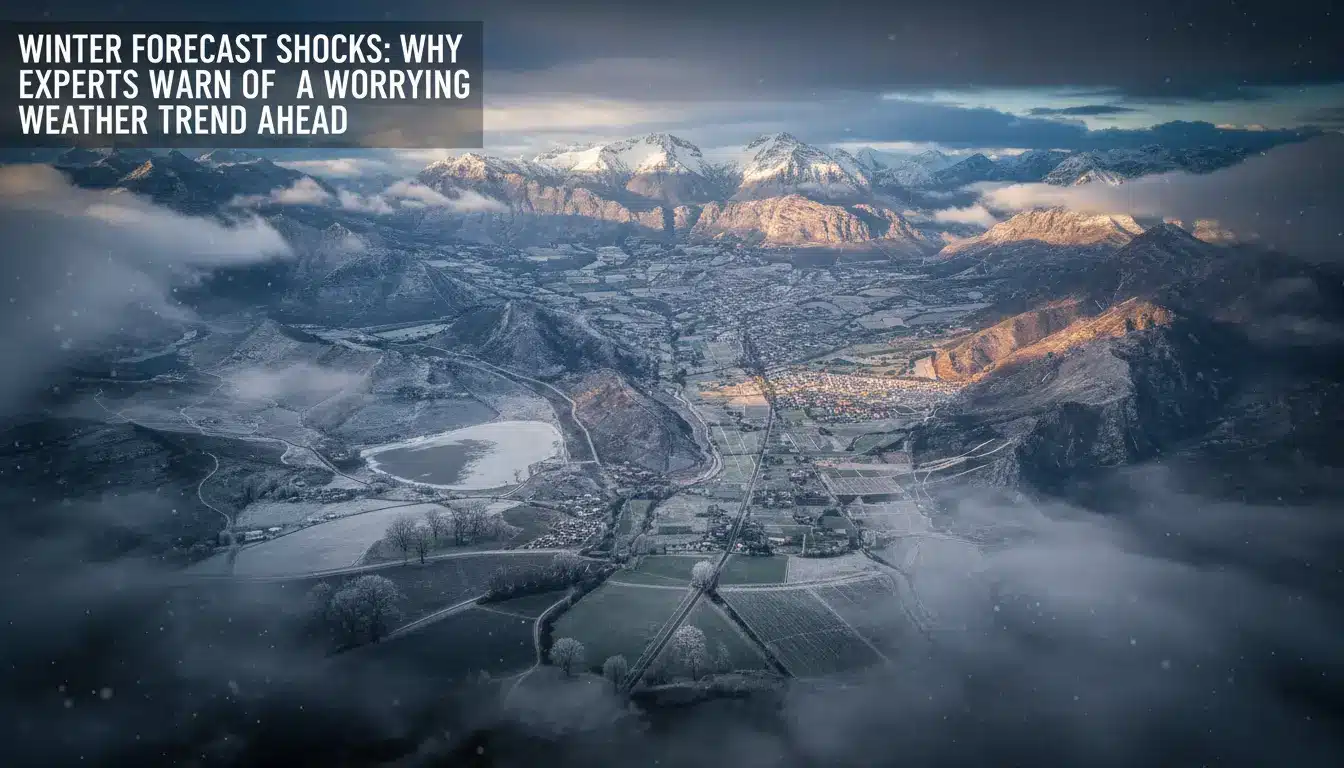
Think you’ve got your winter routine down to a science? Think again. This season is lining up to be an unpredictable whirlwind that’ll keep both weather experts and umbrella manufacturers on their toes. Forget hibernating—this is a winter forecast you’ll want to watch closely, with shifting patterns that promise to surprise more than your local café’s seasonal menu.
An Autumn to Remember: The Prelude to Shifting Rhythms
October drew a clear line: its first half brought pleasant relief, only to hand things over to an unsettled, variable finish. According to linternaute.com, fronts followed each other in quick succession. There were alternations between bursts of rain and returns of sunny spells, with soils drying out, regaining humidity, and the overall atmosphere changing rapidly—sometimes within mere hours.
This rollercoaster didn’t slow down entering November. Many regions faced an active start to the month, notably in the northwest, where frequent showers showed up to remind everyone that umbrellas are not just a fashion accessory. Bright intervals fought for their place between each rainy incursion. Winds strengthened, especially along coastal areas, while other regions experienced scattered rain with irregular but persistent activity. In short: if you wanted to plan a reliable outdoor picnic, November had other ideas.
The South-East’s Tense Watch and Local Weather Surprises
The southeast kept up its reputation for drama with a risk of occasional heavy rain and thunderstorms. Temperatures generally clung to seasonal averages, though sometimes tipping very slightly over, crafting brisk mornings followed by milder afternoons—a treat for early risers, but an occasional confusion for your coat selection. Terrain became a scene stealer: local variations in wind and humidity amplified differences, making weather monitoring almost a competitive sport. Forecasts could swing at the local level, underlining the need for close tracking.
By mid-November, forecasts hinted at a chillier turn, with possible cold showers shaking up routines. These cycles became more frequent, but didn’t last. As high pressure regained control, calm returned. Early fog crept into some areas, soon giving way to wider clear spells as the afternoon matured. While temperature swings remained subdued, local valleys and plateaus enjoyed their own weather personalities.
Dry Spells, Elusive Snow, and That Enduring Mildness
- Monthly rainfall totals were predicted to fall short by approximately 5% to 15%, varying by region.
- Soils dried out slowly; rivers responded less to feeble showers.
- Dry spells gained ground—though these windows remained delicate, always at risk of interruption.
The widespread sense was that autumn’s pleasant flavor was stretching out, with many regions enjoying this extended interlude.
December ramped up the theme of mildness. Distinctly gentle, it often fell under the dominion of high pressure, especially to the west and south, with only weak precipitation. For hopeful skiers, there was disappointment: mountain snow became rare, with landscapes briefly whitened by isolated flurries, swiftly erased by returning warmth. Forecasts confirmed limited snow coverage, and even scattered episodes couldn’t tip the balance.
Short Cold Snaps and a Perpetual Balancing Act
January ushered in quick, sharp jolts of cold rather than lingering freezes. Overall, the month nudged temperatures a little over seasonal norms, with the average anomaly between +0.5°C and +1°C. Frosty mornings remained possible but rarely outstayed their welcome. Generally, the milder oceanic flow returned after each cold interlude, keeping true winter at bay.
Precipitation began to look more like the seasonal average, becoming livelier up north. Westerly flows grew more energetic—think faster-moving rainbands and occasional gusts that made holding onto your hat a winter challenge. Cold snaps arrived in sprints, then retreated swiftly. A gentle regime took over again, providing relative stability between these lively sequences.
- In the mountains, longer-lasting cold spells were almost nowhere to be found, so snow cover remained limited.
- This snow drought could linger into early February, further shortening the “white window” for ski stations.
- The plains maintained a generally mild feel throughout.
- Flexible planning was clearly the way to go, given how forecasts became crucial companions for journeys, gear choices, and outdoor plans.
The three clear trends for this winter are:
- Frequent mild temperatures, with short, sharp cold interruptions
- Snow rarely showing up in the highlands
- Pronounced differences depending on altitude and how quickly weather fronts timed their arrivals
A winning approach? Combine vigilance, flexibility and fast decision-making. Weather forecasts offer an essential compass, and adjusting your schedule or routes can limit winter’s impact on daily life. In these fluid and intriguing months ahead, adaptability won’t just be a buzzword—it will be your best survival tool (and perhaps, your secret to staying dry).

Iveta is an aspiring journalist with a passion for storytelling and a deep love for coffee. Always curious and creative, she dreams of sharing stories that inspire, inform, and connect people around the world


