
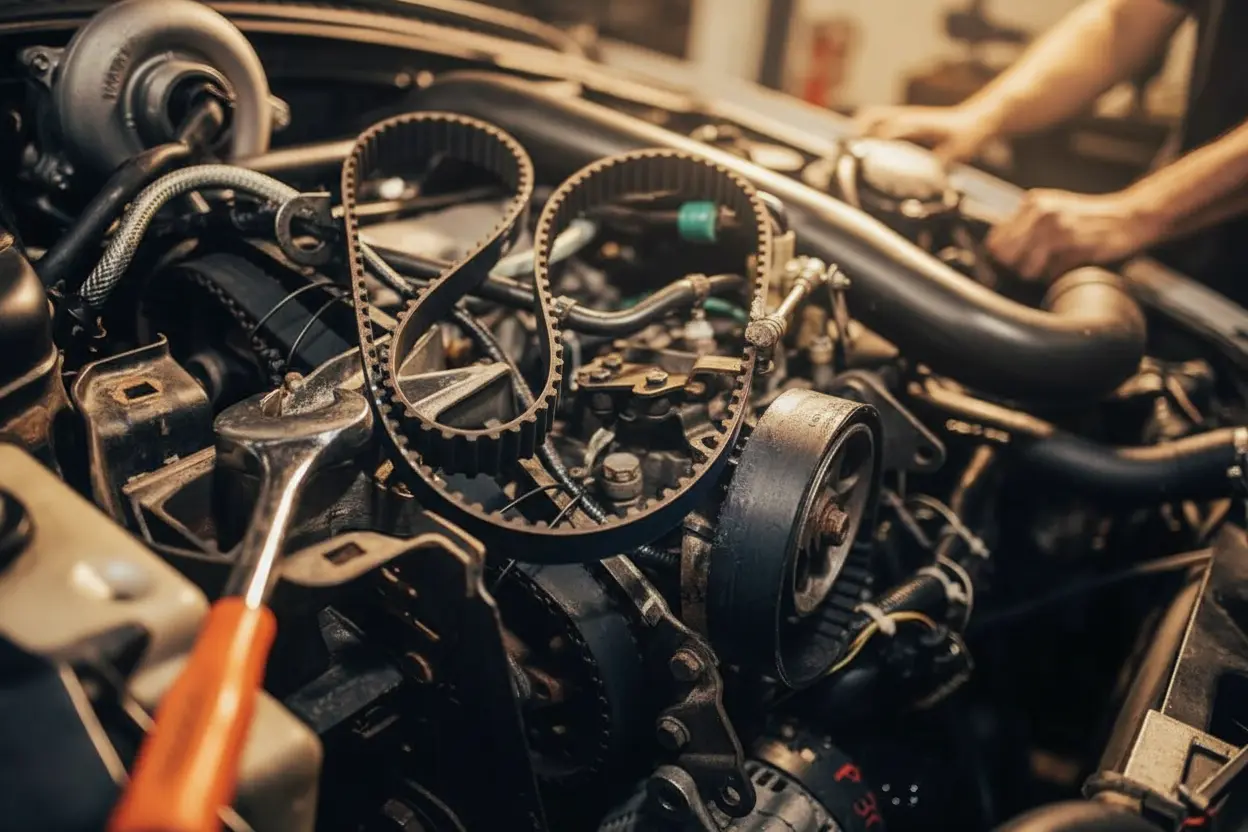
Ever felt like your car is quietly plotting an expensive surprise? The timing belt might just be the most stealthy culprit under your hood. Neglected by many, essential to all, and with a shelf life that might leave you speechless, your timing belt is not something to push to the bottom of the to-do list. Let’s dive into the shocking realities of how long your timing belt will actually last—and how you can avoid it snapping when you least expect it.
Why the Timing Belt Really Matters
The timing belt is not just another obscure engine part hiding behind plastic covers. It’s the very lifeline that keeps your engine running smoothly. Think of it as the conductor in an orchestra; it synchronizes the movement of the valves and pistons, making sure everything works in perfect harmony. When the timing belt fails, it’s not just a minor inconvenience—the outcomes can be disastrous. We’re talking costly repairs or, in the worst-case scenario, the need for an entirely new engine. Yes, your wallet should be concerned.
The Real Lifespan: Not as Long as You’d Hope
“How long will my timing belt last before it needs replacing?” is a question on the lips of many drivers, and it’s a smart one. Generally, manufacturers recommend swapping the timing belt out every 80,000 to 160,000 kilometers. Sounds like a decent stretch, right? But don’t get too comfortable—these numbers swing depending on several factors:
- The type of engine (diesel engines put more strain on the belt than their gasoline cousins)
- The car brand, which may have its own specific intervals
- How you use your vehicle (city driving, rugged road trips, or endless highways)
Even though some newer models are engineered to give the belt a longer, happier life, it is crucial to always follow the manufacturer’s recommendations. Routine habit of oil changes and those regular checkups? That helps, but don’t be fooled: preventive belt replacement is not optional, it’s mandatory.
What Happens If You Ignore the Warning Signs?
If the timing belt breaks before its time, brace yourself. The engine might stop without warning, sometimes in the middle of traffic. But the bill won’t be the only thing hurting—damaged valves and other vital engine parts can face the fallout, sometimes irremediably.
The only way to steer clear of this financial and mechanical drama is to stick religiously to your vehicle’s outlined maintenance plan. And here’s where the pros really earn their keep: periodic inspections by a skilled mechanic are key, because some signs of wear are downright elusive (we’re looking at you, invisible cracks). Expert technicians can spot the tiniest hints of trouble and swap the belt out just in time—saving you from untold headaches.
Driving Habits Make a Difference
You already know the golden kilometers—but did you realize your driving style can throw those numbers off? Here’s how use (or abuse) accelerates the wear:
- Frequent city driving, with its continuous stop-and-go stress, wears the belt faster
- Lengthy road-trips or heavy usage can reduce the interval further
If you’ve already surpassed the recommended kilometers or feel uneasy about your timing belt’s condition, don’t hesitate: book a checkup with a trusted mechanic. Ignoring early wear might turn a manageable situation into an engine disaster—and a much bigger invoice than you’d like to imagine.
To wrap it all up: the timing belt is far from a background player in your engine’s success story. Respect the replacement intervals, stay vigilant to early signs of wear, and always consult a professional for inspections or replacement. And if your car’s belt is creeping past its due date, don’t wait for a shocking surprise—act now and give your engine the long life it deserves.

Iveta is an aspiring journalist with a passion for storytelling and a deep love for coffee. Always curious and creative, she dreams of sharing stories that inspire, inform, and connect people around the world


