
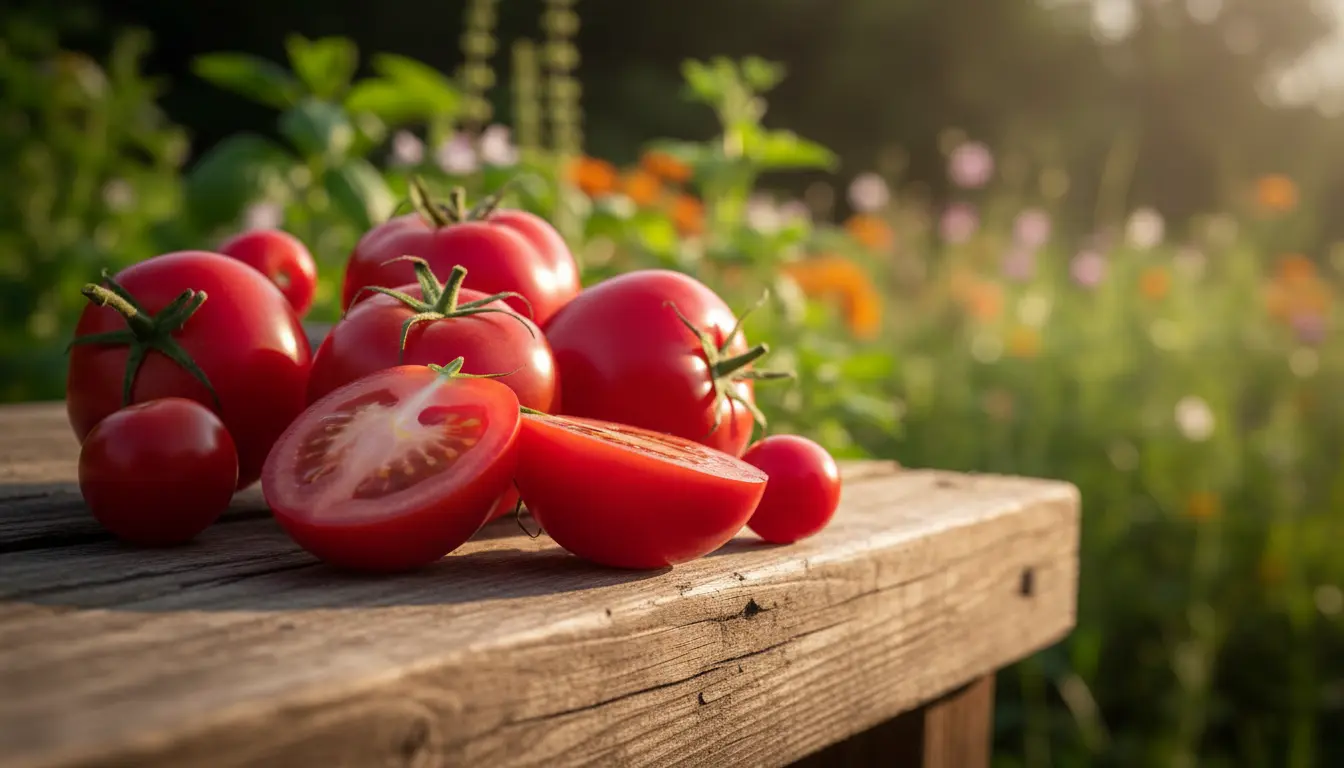
As soon as summer kicks in, many of us declare war on wilt and spoilage by shoving everything (including hope) into the fridge. But for tomatoes that sing with real flavor, it turns out the winning formula comes from thinking outside the cold box—literally. Put down your basket and open your mind: tomatoes are surprisingly picky houseguests, and they thrive best somewhere entirely unexpected.
The Cool, Dry Truth About Tomato Storage
For tomatoes bursting with taste and resilience, the secret isn’t a high-tech fridge or a crowded fruit bowl. Cold ruins their aroma compounds, makes their texture go limp, and speeds up that unpleasant, soggy dampness inside. Instead, a little placement wisdom goes a long way: a dry, temperate zone shields both skin and flesh. Direct sunlight, though it may look pretty on your countertop, actually hardens and then flattens the flavor, as lapizzeriacombslaville.fr rightly points out.
You should opt for:
- A cool shelf away from heat sources
- A ventilated pantry
- Or a basket set in the shade, where air can circulate and not one airtight lid or sealed bag is in sight
Humidity trapped in closed containers brings on wrinkles, softness, and even mold. Avoid moist cupboards, exposed window sills, and spots near hot stovetops. Irregular flashes of heat speed up random ripening and compromise the fruit’s delicate outer layer. A consistent temperature—ideally between 12°C and 20°C—shows the tomato real respect, preserving aroma and texture. Spreading tomatoes in a single, gently spaced layer reduces pressure points. The result? Firmness, gleaming skins, and that unmistakable sharp fragrance when served.
Why the Fridge is a Tomato’s Worst Enemy
While it’s tempting to chill everything for longevity, the fridge is a hostile land for tomatoes. Refrigeration slows the ripening, yes, but also wrecks the intricate aromatic compounds that make a tomato smell—and taste—like a tomato. Fruity notes vanish. Take a bite and your mouth registers a disappointing mealy feeling, with none of the juicy pop you craved. Hardly a fair trade when indulgence is your main goal, right?
After a spell in the cold, the internal water shifts in peculiar ways. The flesh wilts, collapses, and the balance between skin and pulp becomes awkward. Slices fall apart. Even the finest olive oil can’t save a flat-tasting salad. To make matters worse, the fridge sets up a humid little jungle, perfect for spots, wrinkles, or, worse, outright mush. Only put truly overripe tomatoes here, and even then, only for a couple of days. Otherwise, let your tomatoes bask in the open air instead.
Simple Routines for Prolonged Freshness
Keeping tomatoes in top form is less about gadgets and more about routines. Here’s what to do:
- Store with the stem down. This limits air and moisture loss at the pointy end, keeping the skin taut and the interior juicy. A flat tray helps each tomato remain stable and unbruised.
- Keep them clear of ethylene-prone fruits. Apples and bananas are notorious for speeding up ripening via this natural gas, which makes all the neighbors go mushy too quickly. Separate baskets mean a steadier pace and a better mouthfeel.
- Don’t wash until the moment you eat. Any lingering water spells trouble, encouraging mold. Dust off with a dry cloth; rinse and dry quickly before chopping for that perfect color and flavor.
- Rotate your supply. Put the ripest up front, firmer ones in back, and serve those first. It keeps kitchen flow smooth, even in your busiest weeks.
Summer heat ramps everything up, so put your baskets in the coolest room and out of any direct rays, even if they’re short. Airflow matters! Use slatted racks, woven baskets, or wire grids—ditch solid bottoms or damp surfaces. Extra ripe fruit should be set aside so any blemishes don’t spread.
A daily scan is wise: remove any fruit that’s starting to go soft or show a blemish. Keep the touching to a minimum too, preserving the skin. Single, spaced layers are best.
Smart Tomato Management: Little Tricks, Big Results
If organization tempts you, label your baskets with the purchase date. You’ll always know which needs eating first. This cuts down on forgetfulness and solves the frantic evening salad requirements with tomatoes in their prime all week long.
No need to hoard: buying only enough for two to three days keeps taste and texture at their best, ensuring less waste and more joy. Remember the golden rule: cold slows down, but temperate warmth is for true enjoyment. Skip both fridge and blazing sun. Favour a cool, well-aired room, clean your baskets regularly, toss out any damaged fruit, always position stem-side down, and let these habits become second nature. They barely take any time, yet they’ll save you money on groceries—plus, that sharp caprese cut and flavorful aroma will always be ready at your table.
You don’t need fancy equipment—just a little logic and respect for nature’s rhythm. Each day your cooking and your tastebuds will thank you, with tomatoes that hold their fragrance, ripen regularly, and are always primed for a salad, sauce, or that rustic piece of bread, frustration-free.

Iveta is an aspiring journalist with a passion for storytelling and a deep love for coffee. Always curious and creative, she dreams of sharing stories that inspire, inform, and connect people around the world


