
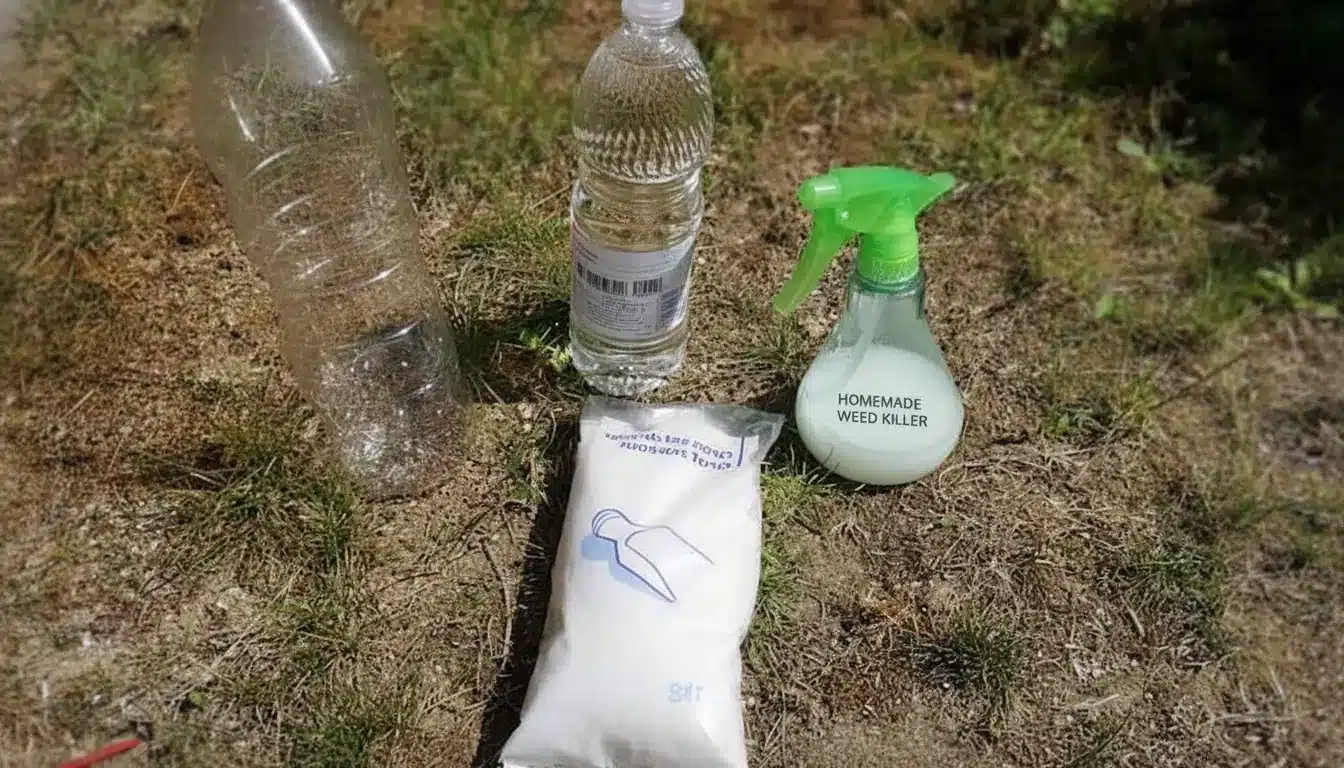
No chemicals, no hassle: my ultra-powerful homemade weed killer costs almost nothing
Tempted by the promise of a weed-free path without harsh chemicals or an empty wallet? Let’s dive into the world of homemade saline weed killer—a fast, powerful answer for stubborn green invaders. But before you channel your inner mad scientist and reach for the salt, discover why this potent potion demands precision, caution, and a respectful nod to your garden’s future.
Homemade Saline Weed Killer: Fast, Furious, and Focused
This low-cost, lightning-quick weed remedy delivers visible results in just a few days. Salt acts by drawing out water and draining plant cells; the leaves soon wilt, and the weed dies off. Young shoots surrender quickly, while hardy perennials take a bit longer. The more direct the contact and the warmer the day, the more pronounced the effect. But with great power comes, well, the great responsibility to use it wisely!
- Define your goal and target area: Only use this solution on mineral surfaces like paved paths, gravel, or between tiles. Never on vegetable beds or near shrubs, and absolutely not for areas where you plan to replant soon.
- Prepare and protect: Secure the plot edges, anticipate how the mixture flows, and wait for a dry, windless, rain-free day to minimize unwanted splashing and maximize target contact.
How to Prepare and Apply the Power Mix
- Have a dedicated watering can or sprayer ready, adorned with a clear label to avoid ugly surprises.
- Bring gloves and goggles—trust us, no one likes a salty splash in the eye when strolling serenely through their garden.
For your daring brew, boil 3 litres of water. Add in 1 kilogram of fine salt, stirring until dissolved. Pour in 1 litre of white vinegar. Transfer your still-warm mix into your marked equipment. Clean your workspace, store bags and bottles far from curious hands (and paws), and seal everything tightly after use. Children and pets should steer clear of both the prep and the application area.
Apply the solution as closely as possible to weed foliage, steering clear of any floral borders. Moisten leaf surfaces without drowning them. Visual control is your secret weapon here—accuracy trumps abundance. Use a fine nozzle and move slowly, drawing short, regular lines. Reassess the site over two to four days, repeating only where weeds are hanging on for dear life. If nearby plants are at risk, shield them with cardboard, and redirect the flow with a board. If your garden is sloped, check that the solution isn’t making a break for those delicate edges! A tidied, bare surface is best for precise application.
Dosing, Aftercare, and Avoiding Overkill
- Less is more: Only a few minutes are needed to moisten the weeds. Overdoing it expands salt residue, toughens the soil, and makes any future planting a Herculean task. Two light passes always beat a single drenching.
- Avoid saturation and runoff: Soaked zones see the solution vanish too quickly, and your precision suffers.
Monitor for signs of excess: unintended yellowing, white streaks of runoff, or stubborn puddles. Spot these red flags? Stop immediately. Aerate the surface gently, add mature compost, sprinkle with water—nature will recover, given time. Hot, dry days are a no-go, since the solution evaporates rapidly and weakens contact with your leafy foes.
Here’s the kicker: salt lingers. Rain can carry it to new places, sometimes leaving ‘dead zones’ along path edges. Biodiversity drops, soil structure declines, and rebounds may take not only patience, but regular, gentle amendments. Especially near hedges and young trees, saline weeders merit extra caution.
- After each treatment, observe weekly. Break the surface crust, enrich with mature compost and fine fibres, and aerate gently to revive biological activity. A bit of mulch helps retain moisture and supports helpful critters.
The Balanced Garden: Alternatives and Smart Habits
Saline weed killer is a one-off, not a regular fix. Make sure to steer clear of gutters, drains, steep slopes, and porous soils. Work in small patches, rinse tools separately, and post a little marker as a reminder—note the date if you really want to look organized at the next neighborhood garden party.
- Mulching keeps seedlings at bay
- ‘False-sowing’ tricks weeds into sprouting, so you can zap them before real plants go in
- Boiling water alone works wonders on seedlings
- Heat-based methods scorch leaves without salt
- Regular hoeing slices shallow weed roots and preserves soil health
Decide your method based on your future plans: if the area must stay bare, saline might be acceptable. If you hope to grow again, reversible approaches are best. Every site has its quirks—hedge proximity, slope, drainage, future use. For stone joints, a manual scraper is simple and tidy.
Ultimately, lasting garden beauty comes from consistency: blend prevention with smart, minimal intervention. Allow a touch of wildness for a durable, living landscape. Record what you do and what works; that trail of notes helps you adjust over time.
A sparkling garden doesn’t have to be sterile. Use this powerful homemade solution sparingly, at the right moment and in the right spot. Protect surrounding plants and apply with restraint. Afterwards, help your soil regenerate. This care builds safety, soil vitality, and endurance. Adjust your routine each season as weeds ebb and flow, and always favor mild methods when crops are active and nearby. That’s the real root of a thriving backyard ecosystem.

Iveta is an aspiring journalist with a passion for storytelling and a deep love for coffee. Always curious and creative, she dreams of sharing stories that inspire, inform, and connect people around the world


