
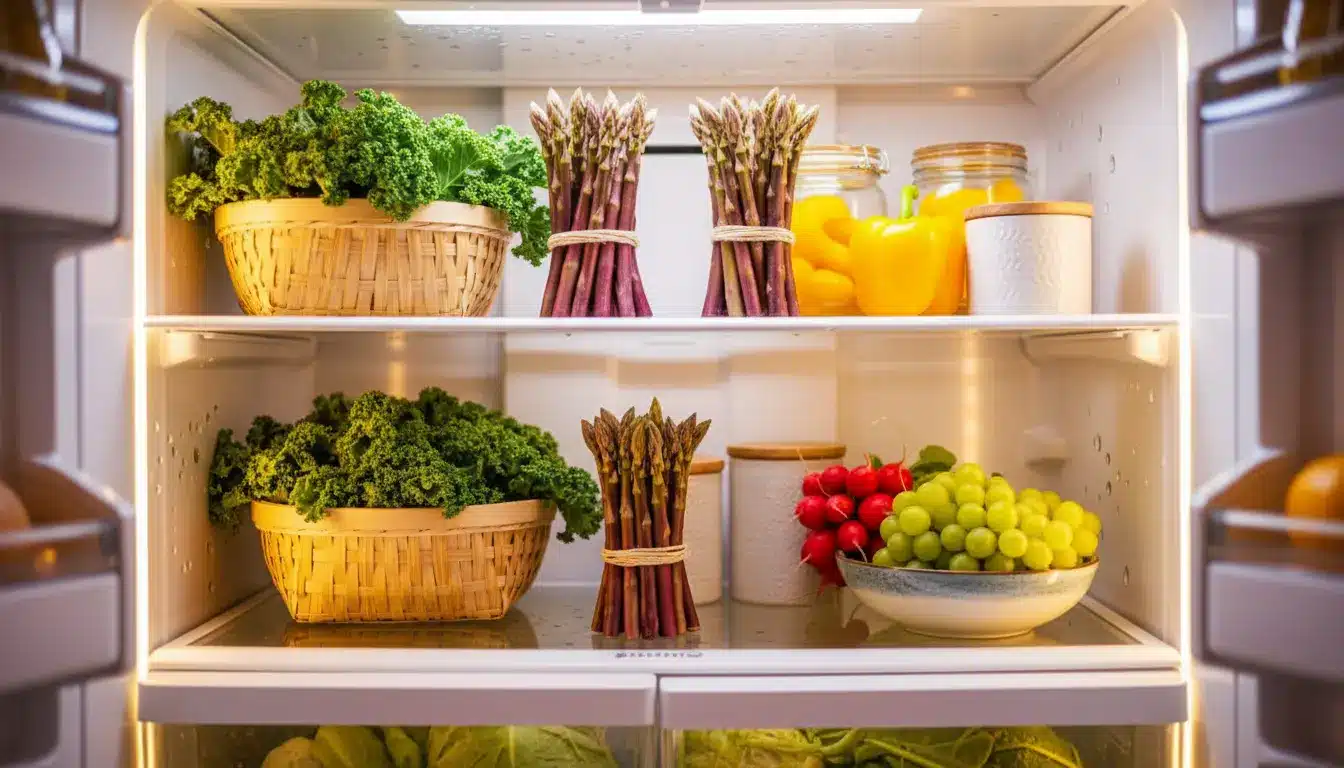
Tired of limp potatoes and wilted lettuce haunting your fridge like ghosts of meals past? Say goodbye to sad produce with tried-and-true, eco-friendly tricks that skip the plastic and keep your fruits and veggies fresh—sometimes for weeks!
Simple and Sustainable: The Case for Ditching Plastic
Let’s admit it: most of us still reach for plastic wrap or aluminum foil when it’s time to save leftovers—or bandage up a bruised avocado. After all, supermarket shelves practically scream their virtues. But here’s a not-so-fun fact: these are some of the least eco-friendly—and least effective—choices you can make for both the planet and your produce. Fortunately, there are alternatives that treat your veggies (and your conscience) kindly.
Ten Natural Ways to Stretch Your Food’s Shelf Life
- The Cork Trick: Want to slow down fruit ripening and fend off rot? Real cork stoppers (absolutely no plastic imitations allowed!) are champions at soaking up moisture and keeping fruit fresher for longer. Simply cut a genuine cork in half and pop it into your fruit basket. Who knew your last wine night could double as a produce-saving hack?
- Banana Savvy: Bananas are notorious for outpacing your breakfast plans by turning black almost overnight. When buying, check their color: green means they still need to ripen, and black spots suggest they’ve already spent time in cold storage. For optimal storage at home, hang them by the stem and wrap the connecting stem in a reusable fabric food wrap or beewrap—aluminum foil if you must— to slow decay.
- DIY Shaded Shelving: Save that wooden crate from the farmer’s market rather than tossing it! Stack it into a multi-level produce shelf. Store items like potatoes and lettuce away from light and extreme temperatures. Think of it as VIP seating for your greens—protected from both the sun and kitchen heatwaves.
- Apple Isolation: Apples love to mingle but don’t let them! Keep them away from other produce and fruits, because apples release ethylene gas, a natural villain known for speeding up spoilage in neighbors. Give them a basket of their own and show no mercy to food waste!
- Don’t Fridge Everything: While the fridge sounds like the obvious hero, it can actually turn certain produce into culinary zombies: grainy potatoes, mushy cucumbers, eggplants, and tomatoes that lose their flavor and structure, and onions or garlic that develop tough-to-remove odors. Instead, keep them all out in a cool, shady spot in your kitchen—just not in view of the sun, unless you’re trying to create your own raisin farm.
- No Plastic, No Problem: Skip the cling film and cellophane drama. A clean kitchen towel, snugly wrapped around fruits or veggies, keeps them at room temperature and makes transit a breeze. Simple, elegant, and waste-free.
- Beewrap to the Rescue: Don’t have a spare towel? Beewrap (that’s reusable fabric coated in beeswax) is a star alternative. It blocks oxidation, keeps moisture at bay, fits virtually any shape, and works either at room temp or in the fridge. It’s also biodegradable and reusable—a win-win for you and the earth.
- Salad CPR: Wilted salad leaves? Bring them back from the brink with a refreshing dip. A cold water bath delivers a thermal shock, perking up even the saddest greens and giving them an extra crunch.
- The Citrus or Vinegar Reviver: When salad or avocados start browning, a few drops of lemon juice or white vinegar can restore their fresh look and crispy bite. For berries suddenly sporting mushrooms, a wash with water mixed with white vinegar retards their spread. For a full salad rescue, add a few tablespoons of lemon juice to a bowl of cold water, then let your salad rest in the fridge for an hour.
- Freeze—But Wisely: Freezing remains one of the top anti-waste, ecological hacks to lock in freshness. Just remember: even this superhero needs eco-friendly sidekicks. Make a point of freezing with energy-saving best practices in mind, so your energy bill doesn’t end up more bloated than your vegetables.
Conclusion: Freshness, the Green Way
Keeping produce fresh isn’t about fancy gadgets or single-use plastics; it’s about a little creativity and understanding how nature works. With these ten simple swaps—from cork and beewraps to judicious fridge (non-)use—you can beat spoilage, save money, and help the planet, all while enjoying tasty, crisp meals. Your potatoes and lettuce will thank you. (If they could talk. Which, fortunately, they can’t!)

Iveta is an aspiring journalist with a passion for storytelling and a deep love for coffee. Always curious and creative, she dreams of sharing stories that inspire, inform, and connect people around the world


