
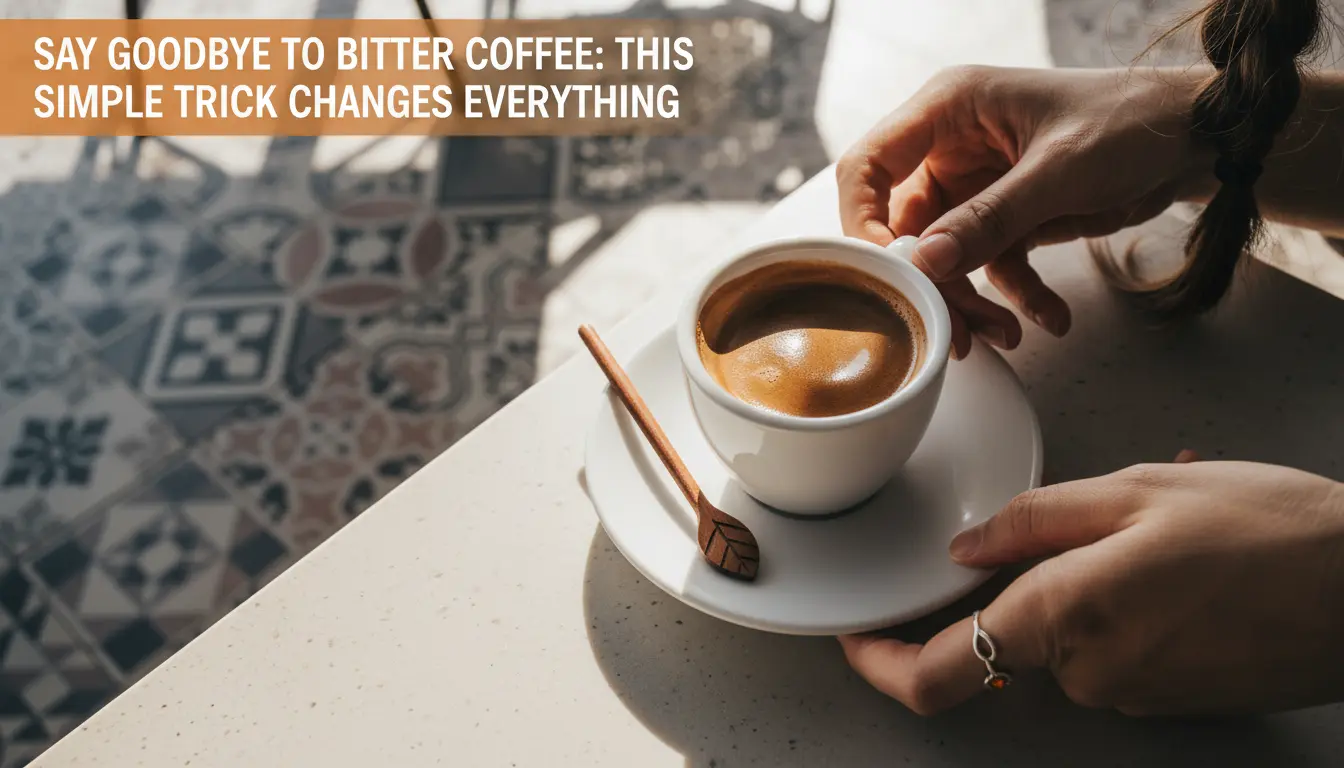
Tired of every coffee break smacking you in the face with bitterness? Good news: Your days of grimacing with every sip are numbered. Get ready to transform every cup into a delightfully smooth experience with insights that cover everything from bean selection to the final pour—without sacrificing flavor (or dignity).
Why Is Coffee Bitter? The Culprits Revealed
If you’re dreaming of rich, flavorful coffee but constantly tripping over unwelcome bitterness, you’re not alone. The not-so-secret truth is: bitterness in coffee is shaped by several factors. Let’s break them down.
- Bean Variety: Arabica beans generally bring less bitterness to the party than Robusta. Want to avoid harsh notes? Arabica is your friend.
- Geographic Origin: The region your coffee hails from matters. Some places produce beans that are naturally sweeter, balancing and sometimes barely hinting at bitterness. If your palate leans toward the gentle side, seek out those origins.
But let’s not stop there. The story of a gentle cup continues long before the kettle boils.
Behind the Beans: Processing & Harvesting
The journey from bean to cup is paved with decisions that can make—or break—the balance of flavors. Here’s the scoop:
- Processing Method: Using the wet (washed) method can strip away some of those bitter compounds through thorough rinsing during washing. It’s like giving your beans a spa day, so they arrive happy in your cup.
- Harvest Timing: Beans picked at the perfect moment of ripeness steer clear of excess bitterness and unlock more nuanced flavors.
- Altitude: Coffee from higher elevations tends to develop subtler flavors and fewer bitter compounds. Mountain top beans, anyone?
All these deliberate choices—from which bean is harvested, to how it is prepped and processed—shape the taste you experience. Your cup of coffee is basically the result of careful choices, not random fate!
Brewing with Precision: The Preparation That Matters
Now, let’s spill the beans (not literally—though we’ve all had mornings). If you’re after a smoother cup, the method and recipe you use are key:
- Choose Your Method Wisely: Using a filter method or French Press lets you control two major players—water temperature and infusion time. It’s a bit like being a conductor, making sure every note lands perfectly.
- Control Your Water Temperature: For less bitterness, keep your water just below boiling: 90 to 95 degrees Celsius hits the sweet spot.
- Watch the Clock: Brew your coffee for just 2 to 4 minutes. That short window pulls out the desirable aromas and flavors, leaving bitterness lurking in the background.
- Match the Grind to the Method: Go coarse for French Press, fine for filter. Don’t confuse them—or you might unleash the bitterness you’re trying to avoid!
Look at you, master of extraction. But what if your brew still bites back?
Tricks to Tame Bitterness: Final Touches for a Smoother Sip
The magic doesn’t stop with the brew. Even after brewing, there are a few simple tricks to soften unwelcome bitterness and delight your taste buds:
- Spice Magic: Add a pinch of ground cinnamon or cardamom before brewing. Not only will they help with bitterness, they’ll usher in a new aromatic dimension to your cup.
- Natural Sweetening: If you like your cup a little sweet, go for a touch of honey or maple syrup rather than the usual sugar. Go wild (in moderation)!
- Creamy Counterbalance: Milk and cream, packed with fats, are tried-and-true allies in balancing bitterness and delivering a velvety texture to your brew.
Yes, making a truly mellow coffee is a game of choices—from the field to your mug and every step in between.
Final advice: Every coffee break is an opportunity to savor authentic, rich flavors without bitterness taking center stage. Choose quality products designed for real coffee lovers, and treat every sip as the special moment it is.

Iveta is an aspiring journalist with a passion for storytelling and a deep love for coffee. Always curious and creative, she dreams of sharing stories that inspire, inform, and connect people around the world


