
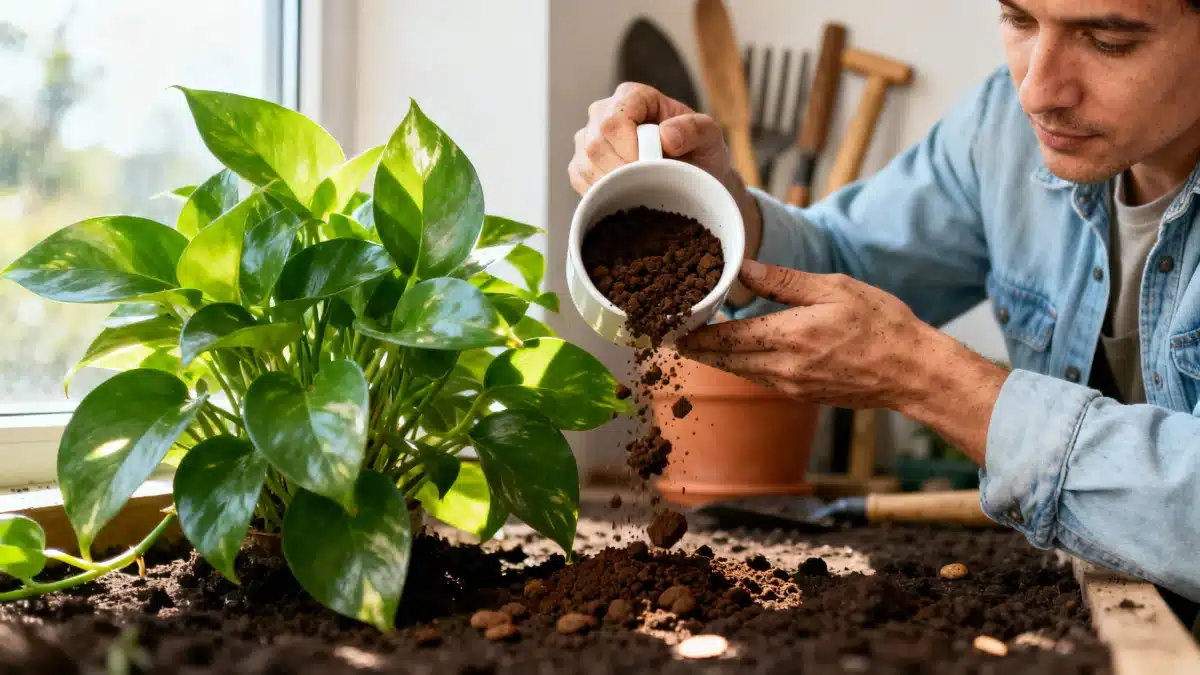
Why are gardeners suddenly obsessed with coffee grounds? Is it the leftover caffeine, the earthy smell, or do plants genuinely perk up at the sight of your morning brew dregs? As it turns out, there’s more to that humble pile of grounds than just compost material for your trash can. The unexpected results may just surprise every green thumb and even those of us whose thumbs are still, frankly, rather pale.
A Nutritional Powerhouse: The Secret Life of Coffee Grounds
Let’s be honest—few kitchen scraps look as unassuming as coffee grounds. But beneath that innocuous brown surface lies a veritable feast for your garden. Coffee grounds are rich in nutrients such as phosphate, potassium, magnesium, and nitrogen. What truly sweetens the deal is their slightly acidic pH. This particular trait makes them a favourite not just for vegetable patches, but across flower beds too. If plants could sing, you might just hear a chorus of joy beneath your hydrangeas and tomatoes as you scatter your used grounds around their roots.
Choosy Plants Love Acidity (And So Do Their Colors!)
But it’s not a one-size-fits-all remedy. Coffee grounds aren’t for every plant—so hold your horses before blanketing your entire garden. They are best for species that thrive in acidic soils:
- Tomatoes
- Blueberries
- Cyclamens
- Heather
- Hydrangeas (blue varieties will delight in keeping their vibrant color)
The lesson? A little matchmaking goes a long way; acidic soil-loving plants will repay you with lush growth and, in the case of blue hydrangeas, color that doesn’t fade into an awkward shade of pink.
Natural Fertilizer, Bug Bouncer, and Compost Champion
Here’s where things get layered. Coffee grounds serve brilliantly as a natural fertilizer when blended with quality potting soil. They nurture seeds, seedlings, and saplings by providing essential, biodegradable nutrients. Talk about a wholesome starter breakfast for your baby plants!
The magic doesn’t stop there. Thanks to their caffeine-y aroma, coffee grounds pull double duty as a natural pest repellent. Sprinkling them around keeps some garden troublemakers at bay. If aphids, slugs, snails, or carrot flies have been invited without your consent, odds are they’ll think twice when greeted by the lingering scent of last Sunday’s espresso. For best results, reapply after rain or when your plot is humid—they don’t last forever out in the wild!
And let’s not forget the compost heap. Mixed in (but not overdone—aim for just 10-20% of your total compost), coffee grounds ramp up the quality of your garden’s future soil. They help earthworms—a gardener’s buried treasure—digest organic matter even better, leading to healthier, more productive plots.
Unexpected Perks (Literally): Safety and Storage Tips
Who thought coffee could be an ally in winter safety? Turns out, if you face icy patches and run out of sand, coffee grounds can substitute to create traction and help reduce the risk of slips on your patio or driveway. They won’t turn your garden path into the runway at Paris Fashion Week, but they might just keep your dignity—and your bones—intact.
One heads-up: before you dump your coffee grounds willy-nilly, make sure they’re thoroughly dried. Let them air-dry for a few hours, or speed things up in the oven (set to 80-90°C, depending on how much you have). Why? Because moisture breeds mold, and you don’t want fungus among your azaleas.
In conclusion: Don’t underestimate your coffee leftovers. Whether you’re nurturing acid-loving tomatoes, deterring pests, sweetening your compost, or even staying upright on a frosty morning, coffee grounds are the garden’s unsung hero. So next time you brew a cup—and truly, who’s counting—pause before tossing those grounds. Your plants, the worms, and perhaps your future self braving an icy step will thank you.

Iveta is an aspiring journalist with a passion for storytelling and a deep love for coffee. Always curious and creative, she dreams of sharing stories that inspire, inform, and connect people around the world


