
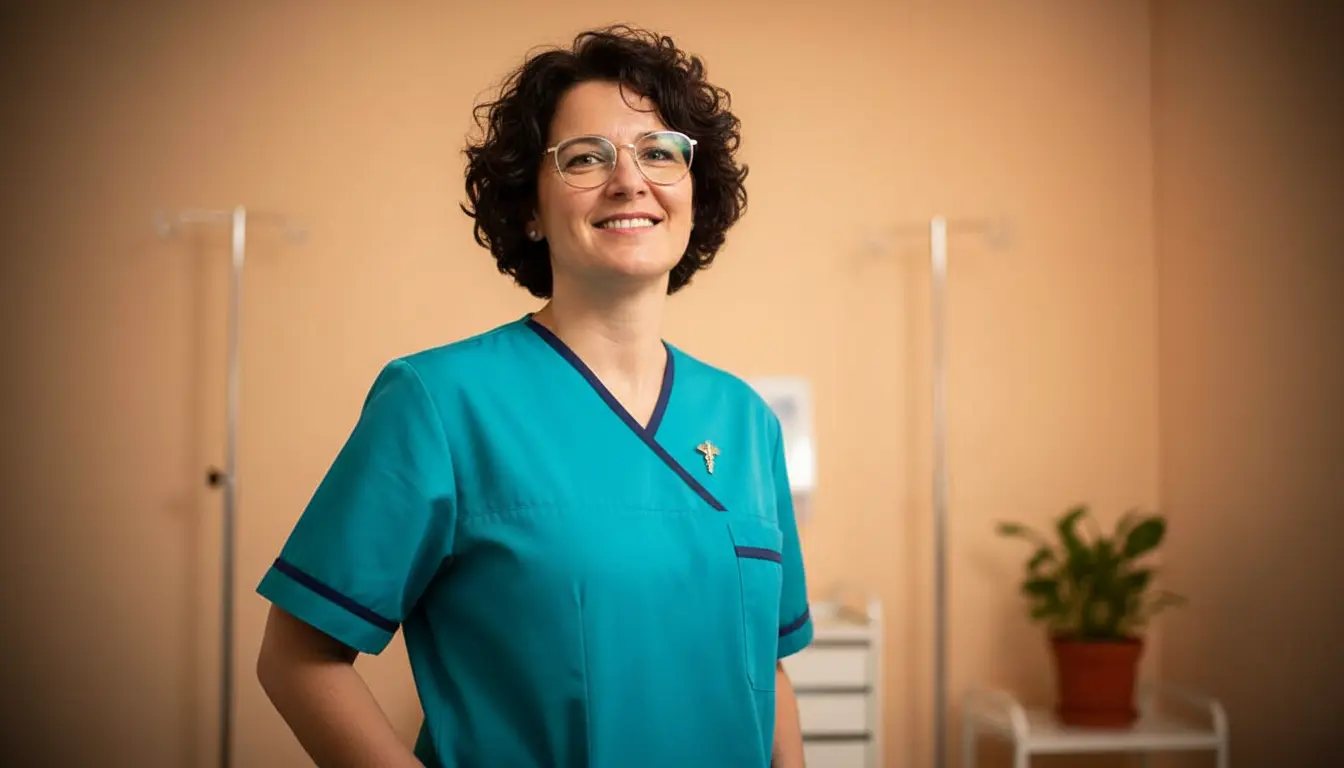
Let’s be honest: in the grand scheme of medical priorities, women’s pain—especially period pain—has too often been left backstage, in the dark, muffled under a thick blanket of taboo and social habit. But the winds are shifting, and doctors themselves are stunned by what’s coming to light. Isn’t it about time we turned the house lights on?
Taboo, Tolerance, and the Trouble with “Normal”
For far too long, menstrual pain has been swept under the rug, labelled as just ‘part of being a woman’, even as effective treatments have been waiting quietly in the wings. The weight of social norms has pressed down on clinical reality, snuffing out meaningful access to care and keeping countless women from relief. Shame has lingered, embarrassment has slowed action, and words have often failed. Yet periods, in all their monthly glory, demand to be listened to, assessed, and helped with proper, validated solutions.
It’s not just about discomfort—it shapes lives, steers choices, and dictates care paths. As soon as the conversation starts to circulate, the taboo retreats, and menstruation stops being a medical blind spot. Women are speaking up, relatives are starting to listen, and healthcare professionals are organizing to meet these voices. The message is crisp, loud, and clear: real, measurable answers are needed.
Delays, Doubt, and the Downward Cycle
Many women even silence themselves, worrying about being labelled ‘fragile’, while those around them minimize what they’re experiencing. Consultations, unsurprisingly, come late—quality of life slides, and getting care becomes that much tougher. Medical jargon, meanwhile, rarely helps: technical language can be daunting when, in fact, plain explanations set minds at ease and encourage discussion.
Consider the example from cardiology: heart attacks in women often go unrecognized because symptoms aren’t always textbook. Mortality rises when cries for help are delayed or when pain gets brushed aside. The tempting instinct to ‘wait it out’ quietly shuts the therapeutic window—sometimes with devastating consequences. Menstrual pain shouldn’t follow that dangerous pattern.
From Stories to Solutions: Giving Women’s Pain the Stage
Change is in the making. The participatory platform douleurdesfemmes.com collects testimonies from patients, loved ones, and medical professionals to understand pain better and point the spotlight at practical change. It’s all about openness: everyone describes their own situations, feeding into a sharper understanding of priorities and providing the foundation for public health decisions.
This method unfolds in four acts:
- First, collecting testimonials to authenticate the true scope of the issue.
- Second, regional meetings to brainstorm with healthcare workers.
- Third, synthesizing and sharing findings with public authorities—because decisions need to be rooted in lived experiences, not theory.
- Fourth, launching large-scale awareness campaigns to change behaviours for good.
This cycle ties the real world to healthcare policy—with a clear goal: ensuring pain actually counts everywhere. Healthcare professionals gain new points of reference, and the public comes to understand their own experience more clearly. Periods break out from their secretive confines, with care pathways adjusting, services aligning, and—slowly but surely—outcomes improving.
Concrete Steps Toward Everyday Care
The operational goal here is refreshingly practical: offer solutions that are usable and verifiable in daily life. Simple information sheets guide examinations, and straightforward tools standardize the way pain is assessed. Priorities get ranked carefully, since resources are always tight; every minute saved benefits those in pain the most.
Ongoing education strengthens the ability to recognize symptoms and get women to the right care, fast. Teams learn from common scenarios and update their protocols as they go. Accessible language means better understanding, and understanding breeds trust—both in patients and their loved ones, whose reactions can shape decisions and response times.
On the leadership front, this message is championed by Dr. Agnès Ricard-Hibon—a respected emergency physician, honorary president and spokesperson for the French Society of Emergency Medicine, and head of SAMU 95. By connecting clear observations and streamlined solutions, she ensures periods are finally given their legitimate, prioritized place in clinical care.
Ending the trivialization of women’s pain means pulling every lever at once: gathering testimonials to build real evidence, updating the hands-on actions through constant training, and using campaigns to reshape reflexes. Healthcare professionals sharpen their accuracy, women seek help earlier, and menstrual pain finally steps out of the shadows—making for fairer, more effective public health.
It’s clear: the days of ignoring period pain are numbered. Speak up, ask questions, and demand answers—because when voices carry, so does change.

Iveta is an aspiring journalist with a passion for storytelling and a deep love for coffee. Always curious and creative, she dreams of sharing stories that inspire, inform, and connect people around the world


