
Take a good look at your plate: some of its most familiar faces might pull a disappearing act sooner than you think. Chocolate, pasta, fries – classics turned endangered specials? This isn’t a chef’s wild experiment; it’s the new reality on the menu, courtesy of climate shake-ups.
Rice Under Threat: Contaminated and Less Nutritious
Rice, pillar of many diets, is secretly facing a battle on two fronts. First, a scientific study revealed that rising CO2 levels actually increase the arsenic content in rice. Here’s where things get sticky (and not in a good risotto way): every time a rice field is irrigated, arsenic gets concentrated right in the grains. That means rice can be contaminated by this element – a dangerous substance for humans.
But wait, there’s more. Climate disruption doesn’t just make rice riskier; it also makes it less nourishing. In conditions rich in carbon dioxide, essential nutrients like iron, zinc, and several B vitamins (B9, B1, B2, B5) become less concentrated in the grains. In short: more poison, fewer vitamins. Suddenly, your “healthy” rice bowl looks less virtuous.
Pasta Lovers, Brace Yourselves: Wheat is Suffering
Dreaming of an Italian feast? Drought and repeated bouts of rain have battered durum wheat fields – the stuff behind penne and macaroni. Canada, a wheat heavyweight, saw a dramatic 32% drop in its recent harvest compared to the average of the past five years. That’s not just a hiccup; that’s a call to check your pantry and hold your ravioli close.
It gets worse for pasta purists. The quality of wheat can tumble so much that making pasta (or semolina, or bulgur, both made from durum wheat) becomes impossible if the protein and starch levels aren’t up to scratch. No protein, no pasta – and that’s a tragedy Shakespeare would have written about if he’d lived in the time of macaroni shortages.
Shorter Fries, With a Side of Bad News
Here’s a bite-sized update that will make fast food aficionados wince: potatoes struggle with heat and a lack of water, making them both smaller and less flavorful. Already in Great Britain, fries have shrunk by about 3 centimeters since 2018. Not only do you get less fry for your buck, but the golden sticks we know may just keep getting shorter…and sadder.
A Vegetable and Fruit Crisis: Favorites in Jeopardy
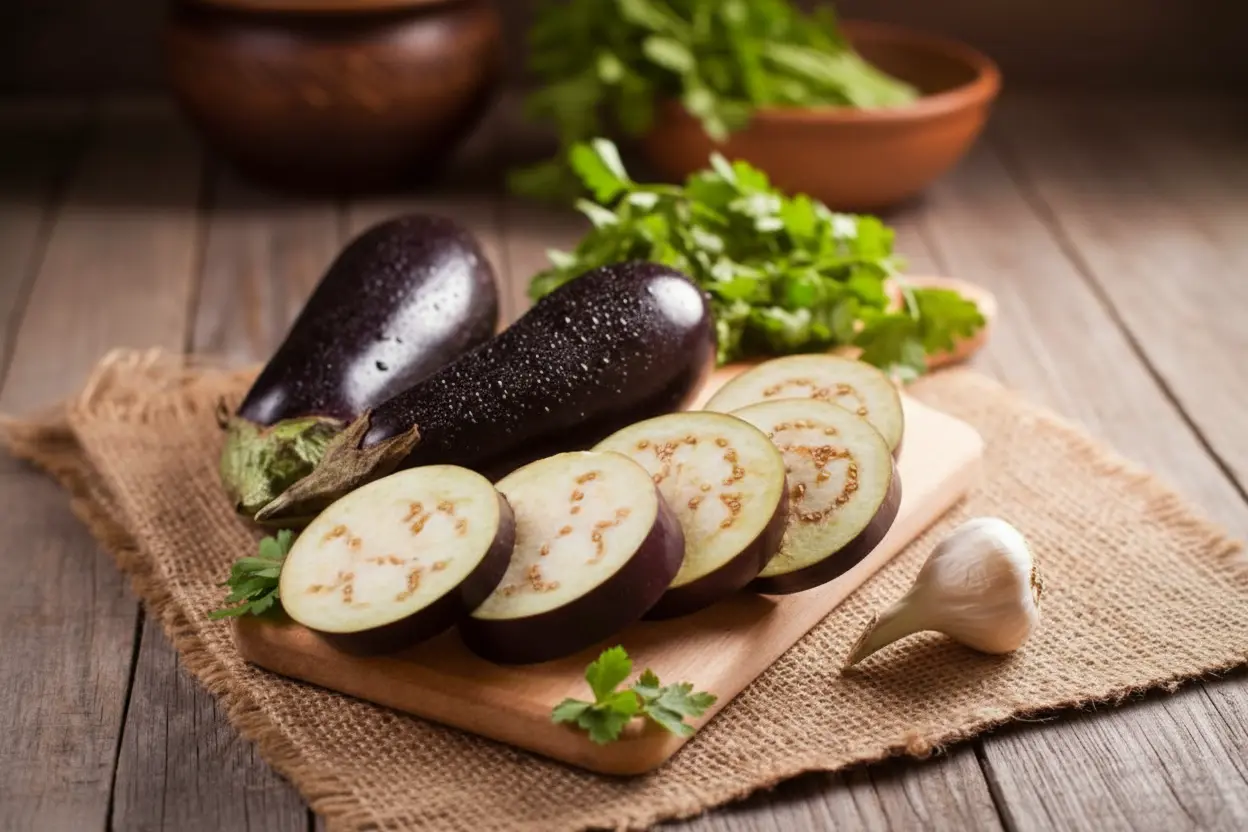
- Eggplants, zucchinis, and tomatoes are all destined to disappear if trends continue. Vegetables grown in southern Europe are particularly threatened.
- According to a study published by the American Academy of Sciences, the harvest of these vegetables could drop by 31.5% at this rate.
Chocolate fans – you’re not off the hook. Cacao trees, which thrive only with steady temperature, rainfall, and humidity all year round, are at risk from climate disruption. With the current trajectory, scientists estimate that there could be no more cacao by the year 2050. Chocolate extinction: not the plot twist anyone wanted.
- Apples, cherries, and strawberries don’t like high temperatures at all. With the rising heat, their growing seasons are jumbled, pits and seeds ripen earlier, and the seasonal calendar goes haywire.
- The only (slightly) sweet side: these fruits will have more sugar – but at the price of unpredictability and, potentially, scarcity.
Conclusion: Savor What You Have – For Now
The message is clear: whether you enjoy a crunchy fry, a warm bowl of pasta, or a fresh tomato salad, it’s time to appreciate every bite. These foods, once reliable comforts, are quietly edging towards the exit as climate troubles reshape what we grow, harvest, and serve. Next time you sit down to eat, maybe take an extra moment to relish those flavors – who knows how long they’ll stick around?

Iveta is an aspiring journalist with a passion for storytelling and a deep love for coffee. Always curious and creative, she dreams of sharing stories that inspire, inform, and connect people around the world


